sensory seating ADHD adults: Crafting Comfort and Focus for Modern Lives
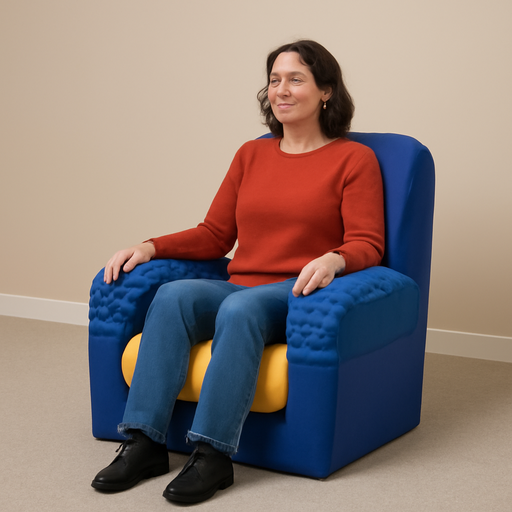

sensory seating ADHD adults: Crafting Comfort and Focus for Modern Lives
In the world of adult ADHD, everyday environments can feel like a constant push and pull between stimulation and overwhelm. Sensory seating ADHD adults is a growing field that recognizes how posture, pressure, and movement can shape attention, executive function, and emotional regulation. By thoughtfully integrating sensory seating solutions, individuals can create calmer workspaces, classrooms, and living areas that respect sensory needs without sacrificing aesthetics or professionalism. For those exploring options, consider resources and product lines such as the ADHD Chair, which offers design principles tailored to support focus and calm in long work sessions. ADHD Chair and the broader Vela collection, accessible at Vela, provide examples of how form and function can converge to create comfort with purpose.
“Sensory seating ADHD adults” is more than a phrase; it signals a shift toward environments that acknowledge sensory processing differences as a feature, not a flaw. For many adults, ADHD is accompanied by sensory seeking or sensory avoidance patterns. A chair that offers adjustable pressure, stability, and moveability can help modulate arousal levels, making it easier to sustain attention, manage fidgeting, and regulate emotional responses. The goal is not to eliminate distraction but to redirect energy into productive, meaningful engagement with tasks, conversations, and creative work.
When we talk about sensory seating ADHD adults, we are really talking about a spectrum of options designed to support different sensory profiles. Some individuals benefit from subtle movement and continuous micro-feedback, while others prefer a stationary seat with tactile prompts. The best approaches blend ergonomic science, sensory input, and personal preference. A well-chosen seat can reduce fatigue, minimize restlessness, and increase the probability that activities stay engaging for longer periods.
Understanding the sensory needs behind ADHD and seating
ADHD is characterized by variability in attention, impulsivity, and activity regulation. Sensory processing is a key piece of the puzzle for many adults with ADHD. From the pressure of a chair against the back to the texture of upholstery, seating choices interact with the nervous system to either calm or stimulate. Sensory seating ADHD adults aims to balance these forces by offering options such as:
- Weighted or pressure-rich surfaces that provide grounding without constriction.
- Flexible, subtle movement through rocker bases, sway mechanisms, or cushioned baffles that encourage micro-adjustments.
- Textural variety in fabric or cover materials to satisfy tactile needs without becoming a distraction.
- Adjustable height and tilt to align posture with task demands, eye level, and breathing patterns.
- Proximity to stimuli—seating that allows quick retreat or proximity depending on mood or workload.
Importantly, sensory seating ADHD adults should be viewed as adaptable supports rather than fixed prescriptions. The same seat may serve different purposes on different days, aligned with fluctuating attention and energy. The best solutions offer modularity and responsiveness, enabling adults to tailor their seating to current needs. In this sense, a chair becomes a partner in daily routines, helping to sustain momentum through tasks that require sustained focus, creativity, or careful listening.
Practical design principles for sensory seating ADHD adults
To build a seating strategy that respects sensory differences while remaining suitable for work and daily life, consider the following principles:
- Body-friendly support means lumbar support that adapts to different postures, plus seat depth that accommodates leg circulation without pinching the thighs.
- Pressure modulation options like weighted components or cushioned pads that can be added or removed to customize sensory input.
- Movement without chaos—chairs that permit small tilts, sways, or rocker actions without destabilizing focus or causing discomfort.
- Temperature and material comfort—breathable fabrics and soft textures to prevent overheating or tactile overload.
- Accessibility and inclusivity—easy entry, wide seating, and intuitive adjustments so users can manage settings on their own.
- Environment alignment—choose seats that complement lighting, acoustics, and airflow to reduce additional sensory strain.
Small, thoughtful choices can have outsized effects. For instance, selecting a chair with a modest tilt range can encourage a comfortable posture while allowing subtle movement that helps maintain focus. Similarly, choosing fabrics with a gentle texture but without excessive sheen or noise under touch can minimize distracting sensations. Sensory seating ADHD adults is about harmonizing physical comfort with cognitive clarity.
When integrating sensory seating into a workspace, it helps to pair the chair with work surfaces and accessories designed to support executive function. A sit-stand desk, a monitor arm at eye level, and discreet storage for quick items can reduce cognitive load. The aim is to create an ecosystem where movement, touch, and posture all work together to sustain attention and reduce task-switching costs.
Related topics: movement, mindfulness, and environment
Beyond the chair itself, several related topics enrich the conversation around sensory seating ADHD adults:
- Movement as a tool for regulation: short, intentional breaks, leg extensions, or chair-based stretches can complement comfortable seating by managing arousal levels without derailing focus.
- Mindfulness and attention strategies: pairing seated work with brief breathing routines or grounding cues helps stabilize attention during tasks.
- Lighting and acoustics: soft lighting and sound-dampening measures reduce sensory overstimulation, making sensory seating more effective.
- Productivity routines: structured intervals (for example, work blocks with built-in micro-midgets) can help leverage the support of sensory seating for longer tasks.
- Social and workplace considerations: educating colleagues about sensory needs promotes an environment where sensory seating is accepted as part of professional accommodations.
For adults with ADHD, the relationship between environment and performance is iterative. The best approach blends empirical testing—trying different seating configurations—with personal reflection. By observing how different seats influence focus, emotion, and energy, individuals develop a personalized toolkit that supports sustained engagement without sacrificing comfort or safety.
Choosing the right solution: what to look for
When evaluating options for sensory seating ADHD adults, consider these criteria:
- Ergonomic accuracy: chairs should promote healthy spinal alignment, with adjustable backrest and seat pan to accommodate diverse body shapes.
- Adjustability: look for multiple levers or controls that let you fine-tune height, tilt, and comfort without needing tools.
- Weight distribution: seating should support even pressure across the hips and pelvis to avoid hotspots or discomfort during long sessions.
- Durability and upkeep: materials should be easy to clean and maintain, with cushions that resist wear over time.
- Aesthetics and discretion: a clean, professional look that fits office or home environments helps reduce self-consciousness about accommodations.
Always test seating if possible. If a trial period is available, use it to assess how well the chair supports your sensory needs across typical tasks: reading, typing, video calls, and creative work. Document your observations: note changes in focus, comfort, fatigue, and mood. This data can guide future adjustments and help you articulate your preferences when discussing accommodations with employers or educators.
For more information and examples of specific products designed with ADHD in mind, you can explore curated options from the ADHD Chair line and related ergonomic innovations through Vela’s offerings. The combination of thoughtful design and evidence-based ergonomics can make sensory seating ADHD adults a practical and transformative addition to daily life.
Conclusion: embracing sensory seating as a practical ally
Sensory seating ADHD adults represents a forward-looking approach to managing ADHD in everyday life. By recognizing how seating influences attention, mood, and regulation, individuals can select and adapt chairs that support sustained engagement without compromising comfort. The journey toward optimal sensory seating is personal, iterative, and deeply informed by daily experiences. With resources like the ADHD Chair and broader solutions from Vela, adults can discover seating strategies that align with their unique sensory profiles, enabling clearer focus, calmer minds, and more confident participation in work, study, and personal life.
In a world that often prizes stillness and rigidity, sensory seating ADHD adults invites us to embrace movement, texture, and thoughtful design as allies in productivity. Whether you’re redesigning a home office, revising a classroom layout, or simply seeking better daily routines, the right seat can become a reliable partner—supporting attention, reducing strain, and helping you show up at your best, day after day.